
The Civic Salon
A template for branches to host small, structured debates that turn civically-minded neighbours into party members.
Most Liberal Party events involve one or two speakers delivering a message to people who already agree. The Civic Salon flips this: short, playful debates where the proposition is drawn on the night, debaters do not choose their side, and the aim is amicable disagreement. The result is an event that feels like civic life, not a sales pitch.
Why traditional events leave people out
Liberal-adjacent people — those who broadly share our values but do not identify as party members — are often curious but cautious. They attend one event, feel like an outsider being marketed to, and do not return. The Civic Salon is designed to solve this.
Preaching to the converted
A guest speaker delivers a message to an audience who already agrees. The converted feel validated, but curious newcomers feel they are being sold to.
No room for disagreement
Orthodoxy is reinforced. Liberal-adjacent people who hold slightly different views have no way to engage without feeling unwelcome or having to defend themselves.
Passive, not participatory
Attendees sit and listen. There is no pathway from attending to belonging, and no reason to return unless you already identify as a party member.
Debate as sport, not as argument
In a Civic Salon, debate is treated like a game. The proposition is not chosen in advance — it is drawn on the night. Debaters do not pick their side — it is assigned by coin toss. The skill being tested is reasoning under constraint, not defending a personal conviction. This removes the emotional stakes and makes the event feel playful, open, and genuinely unpredictable.
The format reinforces a deeper message: our core liberal-enlightenment values — reason, free inquiry, individual dignity — supersede policy-level disagreements. You can disagree with someone on housing density or energy policy and still belong in the same political tradition. The salon makes that visible.
How a Civic Salon works
The format is designed to be simple enough that any branch can run it, structured enough that it feels like a real event, and open enough that no one needs to be a policy expert to participate.
Propose
Several propositions are submitted in advance. They should be broad enough to invite genuine debate, specific enough to be debatable in ten minutes.
Draw the motion
The branch committee draws one motion at random the day before the salon. Debaters get a little time to think, not enough to over-prepare. The motion and speakers are announced to the attendee list by email and SMS.
Coin flip on stage
Debaters arrive knowing the motion but not their side. At the start of the evening the MC flips a coin on stage. This forces everyone to consider both sides during the day and makes the reveal feel like sport.
Debate
Two opening speakers, two rebuttal speakers — up to four debaters share the load. Two minutes each. No slides, no notes longer than a palm card.
Deliberate
The audience votes by show of hands on who broadened their perspective. The guest judge offers brief remarks and announces the result. Applause for everyone who spoke.
Who does what on the night
Every role is designed to lower barriers. No one is asked to give a prepared speech. The guest judge replaces the guest speaker as the external drawcard.
Debaters
Two to four people confirmed in advance. They do not choose their side. The goal is not to win an argument but to reason well from an assigned position. Anyone can put their name forward.
Guest judge
A respected local figure — not necessarily a party member. A councillor, community leader, journalist, or academic. The judge offers brief remarks and announces the audience vote.
MC / host
Opens the night, flips the coin on stage, manages time, moderates audience questions, and sets the tone: welcoming, playful, respectful. The MC makes the event feel like an occasion.
Audience
People who want to think, not just listen. They hear two sides of something, vote by show of hands, and often leave wanting to come back and bring someone.
A one-hour template
The formal program runs about forty minutes, bookended by social time. The motion is drawn the day before and announced to attendees by email and SMS — a second touchpoint that builds anticipation. Debaters arrive knowing the motion, not their side. The coin flip happens on stage. The format is short enough to feel light, structured enough to feel like a real event.
Motion drawn
Branch committee draws the motion. Debaters are notified. An email and SMS go to the attendee list: here is the motion, here are the speakers, come see what happens.
Doors open
Drinks, light food, name tags. Host greets people individually. Debaters arrive knowing the motion but not their side.
Welcome & coin flip
MC welcomes everyone, sets the tone. Coin flipped on stage: debaters learn their side in front of the room. Applause. Brief huddle with a friend if needed.
Opening statements
Two minutes each. First speaker for the affirmative, then first speaker for the negative. No slides, just a person and a microphone.
Rebuttal round
Second speakers respond. Ninety seconds each. Address what the other side actually said — not what you prepared in the car.
Audience Q&A
Five minutes. Questions only, not statements. MC moderates. This is where the room comes alive.
Judge remarks
Three minutes. What was strong, what was surprising, what broadened their view. The judge does not declare a winner.
Audience vote
Show of hands: who broadened your perspective? Result announced. Applause for everyone who spoke.
Social time
Food, drinks, conversation. Host circulates. The debaters are heroes for fifteen minutes. Membership forms available, not pushed.
Sample propositions to get started
Good propositions are specific enough to debate in ten minutes, broad enough to invite genuine disagreement, and balanced enough that either side can be argued. Each branch should build its own list. Aim for eight to twelve propositions: enough variety that the draw feels unpredictable, few enough that every proposition is strong.
Housing and development
- — This house believes that local councils should lose the power to block medium-density development near train stations.
- — This house believes that property owners should have a presumptive right to subdivide.
Energy and environment
- — This house believes that nuclear energy should be part of Australia’s baseload power mix.
- — This house believes that environmental approvals should be decided by an independent statutory authority, not by ministers.
Democracy and governance
- — This house believes that compulsory voting should be abolished.
- — This house believes that local government should be consolidated into fewer, larger councils.
Rights and freedoms
- — This house believes that religious schools should retain the right to preference staff of their own faith.
- — This house believes that Australia should adopt a statutory bill of rights.
How the draw works
The branch committee draws the motion the day before the salon. Debaters are notified immediately. An email and SMS go to the attendee list with the motion and the speaker names — this gives the branch a natural second touchpoint and builds anticipation. Debaters arrive knowing the motion, not their side. The coin flip happens on stage at the start of the evening.
How to invite people
The invitation sets the tone. Keep it short, make the ask small, and make it easy to forward to someone who would not normally attend a party event. Every communication should help members bring non-members.
These are real examples branches can adapt. Keep the vibe warm, the format clear, and the CTA singular: come, see, and bring someone.
Email invitation
Send one week before. Keep the design clean. One image, one call to action.
Make the “bring a friend” ask prominent — most first-time attendees will come because someone invited them directly.
Curtin Division
To: you
You’re invited: Civic Salon this Thursday
Short debate. Coin-toss sides. Bring a friend.
Hi [Name],
We’re running a Civic Salon this Thursday evening — a short, friendly debate where the topic is drawn on the night and debaters don’t choose their side. Think of it as debate as sport, not argument.
Thursday 15 May
6:30pm for a 7:00pm start
The Unicorn Bar, Subiaco
One motion drawn on the night:
1. This house resolves that compulsory voting should be abolished.
2. This house believes that nuclear energy should be part of Australia’s baseload mix.
3. This house believes that local councils should lose the power to block medium-density development near train stations.
Come for the debate, stay for the conversation. First-timers especially welcome. Bring a friend who likes a good discussion — no party membership needed.
— The Curtin Division team
Or forward this to someone who might enjoy it.
SMS reminder
Send the day before, or morning of. Keep it under three lines.
An SMS is easy to forward — it is the simplest way for a member to invite a friend who would never open a party email.
Civic Salon this Thursday 7pm, Nedlands. Topic drawn on the night, sides by coin toss. Come argue something you don’t believe in. 🍷
RSVP & details →
Tap to forward to a friend · No membership needed
Sounds great — forwarding to James now
Legend. See you both there.
How to make it feel right
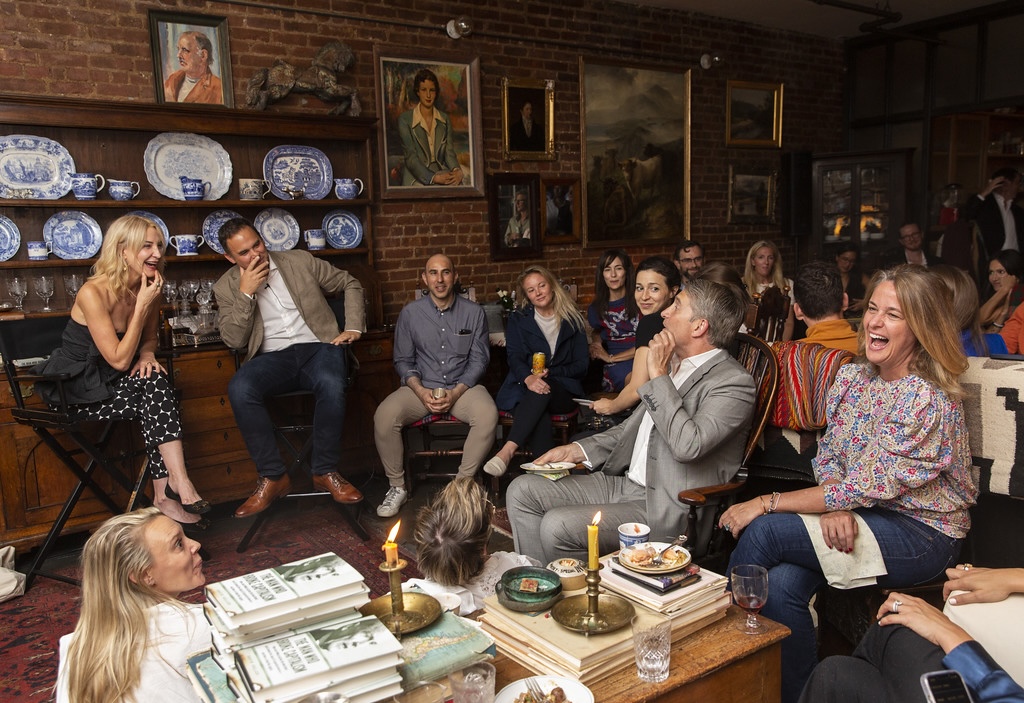
The atmosphere matters as much as the format. A Civic Salon should feel like a social evening with a debate at its centre, not a political meeting with drinks.
No one is being sold to
The evening is designed around participation, not persuasion. Membership is available but never the focus. People join because they enjoyed themselves and want more.
Disagreement is the point
The explicit aim is amicable disagreement. Hearing someone argue a position they do not hold, and doing it well, builds respect for the process of reasoning itself.
Social, not solemn
Food, drinks, music before and after. The formal debate is short enough that the evening still feels like a social event with a highlight, not a lecture with drinks.
Mastery, not messaging
People leave feeling they participated in civic life, not that they absorbed talking points. Repeat attendees develop debate and reasoning skills over time.
How to run the debate
Parliament-style format with ceremony, timing, and a bell.
How to run the debate
Parliament-style format with ceremony, timing, and a bell.
Ceremony matters
A small amount of ceremony makes the debate feel like an event, not a conversation that got out of hand. The MC keeps order, the bell sets the rhythm, and the format signals that this is structured, purposeful, and respectful. People rise to the occasion when the occasion feels real.
Propositions: “The house resolves that…”
Every proposition begins with the parliamentary formula. This gives the debate weight and clarity. Instead of a vague topic, you have a clear resolution to affirm or oppose.
The MC and the bell
The MC is the referee. They introduce the proposition, draw the debaters, assign sides, manage time, and moderate audience questions. A small hand bell gives the MC authority without being officious.
🔔
Thirty seconds remaining
🔔🔔
Time is up — finish your sentence
🔔🔔🔔
Stop immediately (only if needed)
Debate structure
The format below uses four speakers — two opening, two rebuttal. A smaller branch can run the same structure with two speakers covering both roles. The key is that debaters arrive knowing the motion but not their side.
First speaker (affirmative)
2 minOpens the case for the proposition.
First speaker (negative)
2 minOpens the case against the proposition.
Second speaker (affirmative)
90 secRebuttal. Address what was actually said.
Second speaker (negative)
90 secRebuttal. Address what was actually said.
Audience Q&A
5 minQuestions only. MC moderates. No statements from the floor.
Guest judge remarks
3 minWhat was strong. What broadened the judge’s view.
The vote
The audience votes by show of hands on a single question: “Who broadened your perspective?” The judge announces the result. Both debaters receive applause. The point is not to crown a winner but to recognise who made people think differently. This framing reinforces that the salon values reasoning over rhetoric.
What you need on the night

A branch that debates together grows together.
The Civic Salon is designed to be simple to run, inexpensive to host, and effective at bringing civically-minded people into the Liberal community. It turns disagreement from a liability into an asset, and party events from lectures into civic experiences people want to attend, and bring friends to.